‘Not Yet 30, But I Have Raised Men And Witnessed Miracles!’ — Prophet Ebi Moses Fires Back At Critics, Says ‘If God Retires Me Today, I Have Done Enough’ Amid Pain And Calls For Healing
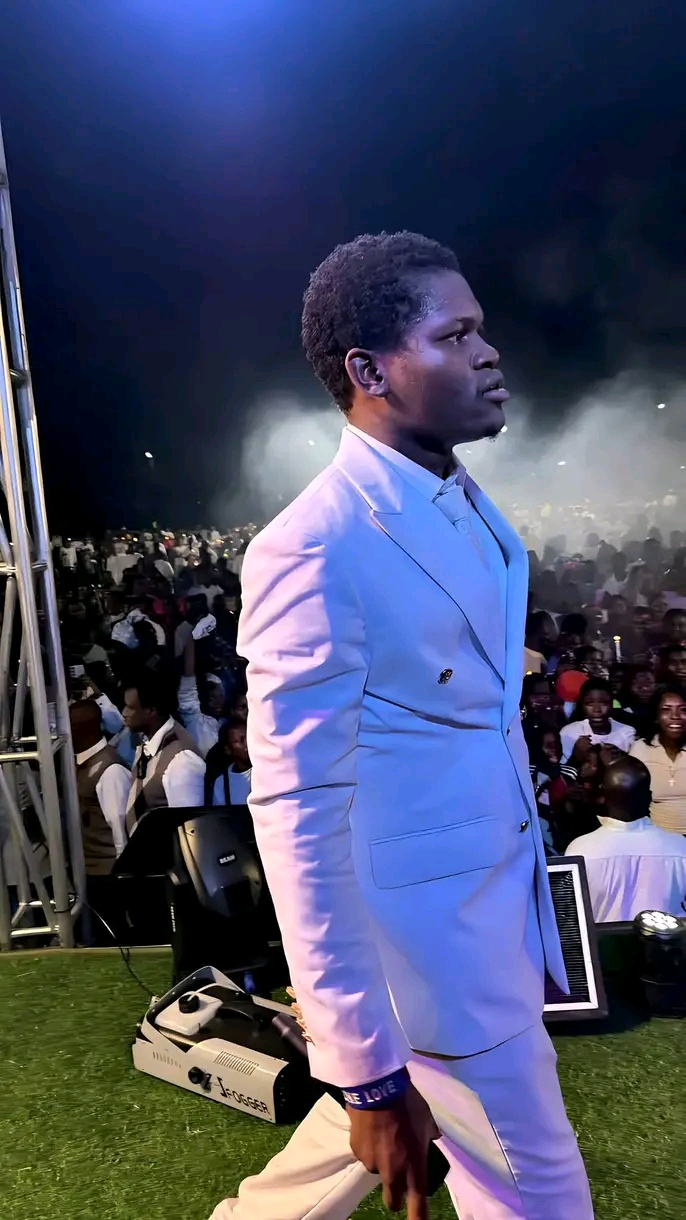
BAYELSA STATE, NIGERIA — Prophet Ebi Moses, Senior Prophet of Mountain of Resurrection Gospel Ministry, has issued a fresh and emotional statement defending his ministry, lamenting what he described as the mockery of his personal struggles, and insisting that his temporary absence from the pulpit should not be mistaken for weakness, failure or abandonment of his calling.
In the statement, the cleric declared that he was dealing with pain and carrying a burden that required time to heal, urging people to show understanding rather than ridicule his circumstances.
“Mockery of my pain is the highest form of illiteracy,” Prophet Ebi Moses stated, adding that his years of preaching, prophesying, giving and helping others remained part of his record of service.
The statement comes after the prophet announced plans to temporarily withdraw from the pulpit, camera and microphone following what he described as emotional struggles, court cases, betrayals, disappointments and other personal challenges.
His latest message reinforces his position that the decision to step away from public ministry is a period of rest and recovery rather than an abandonment of his faith or spiritual assignment.
‘I HAVE PREACHED, PROPHESIED, GIVEN AND RAISED MEN’
Defending his contribution to ministry, Prophet Ebi Moses maintained that his years of service and the lives he believes have been transformed through his work cannot be dismissed because he is currently going through a difficult period.
“I have preached, prophesied, given and raised men. No man can dispute otherwise,” he declared.
The cleric said his present priority was seeking God's mercy, strength and help to carry the responsibilities he believes have been entrusted to him.
He also rejected the suggestion that financial offerings were his motivation for continuing to minister, arguing that if money were his primary concern, he could simply organise church services daily.
“If offerings were a motivation, I would run services daily. But I seek not to miss His calling,” he stated.
The comments appear to reflect his desire to distinguish his commitment to his religious calling from the expectations surrounding his public appearances and church activities.
His statement also raises a broader question about the pressure religious leaders may face to remain constantly available to congregations and online audiences, even when they need time to address personal difficulties.
‘MANY PASTORS ARE DYING IN PAIN’
One of the most striking aspects of the prophet's latest statement was his warning about the personal toll of religious leadership.
He argued that some pastors suffer in silence because they fail to create time to rest, recover and heal.
“Many pastors are dying in pain because they fail to take time to rest, recover, and heal,” he said.
The cleric cited biblical examples to support his argument that taking time away from public responsibilities does not necessarily amount to abandoning one's spiritual assignment.
Referencing Acts 10, he pointed to the account of Cornelius being instructed to send for Peter, who was staying at the house of Simon, a tanner.
He also referred to Jesus Christ's practice of withdrawing from crowds to pray and rest, presenting these examples as illustrations of the importance of taking time away from constant public engagement.
For Prophet Ebi Moses, the central message is that religious leaders, despite the expectations placed on them, remain human beings who may need time to recover from difficult experiences.
His position challenges the assumption that a pastor or prophet must always be physically present on the pulpit to demonstrate commitment to God or the people he serves.
‘MY HUMANITY SHOULD NOT INTOXICATE YOUR EXCITEMENT’
In another emotionally charged passage, Prophet Ebi Moses cautioned people against allowing his personal struggles to become a source of excitement or an opportunity to celebrate his difficulties.
“My humanity should not intoxicate your excitement or inflate your wicked heart,” he declared.
The statement suggests that the prophet believes some people may be interpreting his decision to take a break in ways that overlook the personal challenges he has disclosed.
However, he did not identify specific individuals or provide details of particular incidents in which he believes his pain has been mocked.
The cleric's remarks come amid public discussion following his announcement that he would temporarily step away from the pulpit to concentrate on healing, reflection and spiritual renewal.
While some followers have responded with prayers and messages of encouragement, his latest statement indicates that he also wants the public to understand the seriousness of the personal burden he says he is carrying.
‘THE LION THAT MISSES A MEAL DOES NOT BECOME A SHEEP’
Using the imagery of a lion, Prophet Ebi Moses argued that a temporary setback or absence should not be interpreted as a loss of identity, strength or purpose.
“The lion that misses a meal does not become a sheep,” he declared.
He further stated that occupying a pulpit does not automatically make someone a prophet, just as stepping away from the pulpit does not mean a person has abandoned God or the people he serves.
“The pulpit does not make a prophet, and neither does my absence from it mean I have abandoned my people or my God,” he said.
The statement appears directed at those who may question his spiritual identity or commitment because of his decision to withdraw temporarily from public ministry.
The cleric maintained that his current absence should be understood in the context of his personal circumstances rather than as evidence that he has given up on his calling.
His position also reinforces the message contained in his earlier announcement that he remains committed to his faith even while seeking time away from the demands of public ministry.
‘I HAVE PAIN! I CARRY A BURDEN! AND I NEED TIME TO HEAL’
The prophet's latest statement returned repeatedly to the central issue behind his decision to step away from public appearances: his need for time to recover.
“I have pain! I carry a burden! And I need time to heal,” he declared.
In his earlier statement, Prophet Ebi Moses disclosed that he had been dealing with emotional struggles, court cases, betrayals, disappointments and personal challenges.
He did not provide specific details about the court cases or identify the individuals connected to the experiences he described.
His latest remarks do not establish additional details about those matters, but they reiterate his request for understanding during what he has portrayed as a difficult personal period.
The cleric's position is that he should be allowed the same opportunity for rest and recovery that other people need when dealing with difficult circumstances.
For supporters who have expressed concern about his wellbeing, the statement provides another indication that he does not consider his temporary withdrawal a casual decision.
It also reinforces his appeal for prayers and understanding rather than ridicule.
‘THE WAY MAKER MADE ME A WAVE MAKER’
Despite expressing pain and frustration, Prophet Ebi Moses also used his latest statement to reflect on what he considers the achievements of his ministry.
“Never forget that the Way Maker made me a wave maker,” he declared.
He listed victories, the people he believes he has raised, records he says he has broken, miracles he has witnessed and lives he believes have been transformed through his ministry.
The cleric added that even if God chose to retire him from public ministry immediately, he would be able to look back on his years of service with a sense of fulfilment.
“If He chooses to retire me today, I can boldly say that I have done enough,” he stated.
The declaration appears to communicate both confidence in his past contributions and an acceptance that his future responsibilities should ultimately be determined by his understanding of God's direction.
Nevertheless, he did not announce a permanent retirement or provide a definite date for his return to the pulpit.
His earlier announcement described the proposed absence as temporary, with an emphasis on healing, reflection and spiritual restoration.
‘DON'T MOCK THE SHOE YOU HAVE NEVER WALKED IN’
Prophet Ebi Moses concluded his message with an appeal for empathy, using the image of walking in another person's shoes to caution against judging experiences one has not personally endured.
“Don't mock the shoe you have never walked in,” he stated.
He also contrasted the public presence of mourners at funerals with the absence of support when someone is receiving medical care.
“Prayers are better than betrayals. So much crowd in a burial and no visit to the hospital,” he lamented.
The remarks suggest his concern that people may be more willing to appear during moments of public grief than to provide practical support when someone is struggling privately.
Although the prophet did not name anyone in connection with the statement, the message places emphasis on compassion, loyalty and the importance of supporting people while they are still dealing with their difficulties.
His appeal also echoes his earlier request that followers remember the person behind the pulpit, rather than focusing exclusively on the spiritual leader they see in public.
RECALL: TARAKIRIVOICE REPORTED HIS DECISION TO LEAVE THE PULPIT TEMPORARILY
Tarakirivoice Newspaper had earlier reported that Prophet Ebi Moses announced plans to temporarily step away from the pulpit, camera and microphone following what he described as emotional struggles, court cases, betrayals, disappointments and personal challenges.
In his earlier statement, titled A Letter of Pulpit Absence, the cleric explained that he needed time to seek God's direction, examine his life and concentrate on personal healing.
He also assured followers that his temporary absence did not mean he was abandoning God or bringing his ministry to an end.
The announcement generated emotional reactions from supporters, some of whom offered prayers and encouragement while expressing hope that he would eventually return to public ministry.
Others described the announcement as a reminder that pastors and prophets also need emotional support and understanding, particularly when dealing with difficulties away from the public eye.
At the time, the cleric did not disclose a definite date for his return or provide detailed information about the court cases he referenced.
His latest statement continues that conversation, with a stronger emphasis on the need for rest, the protection of his personal dignity and the importance of not judging another person's struggles.
THE BIGGER QUESTION: WHO SUPPORTS THE PEOPLE WHO SUPPORT OTHERS?
The controversy surrounding Prophet Ebi Moses's temporary withdrawal highlights a broader issue concerning the expectations placed on religious leaders.
Pastors and prophets are frequently approached by people seeking prayers, counselling, encouragement and spiritual guidance. Their public roles can create an expectation that they must always appear strong, regardless of what they may be experiencing privately.
Yet religious leaders, like other people, may face personal, emotional and professional challenges that require time, support and reflection.
Prophet Ebi Moses's statements raise questions about whether congregations and followers sufficiently recognise the personal needs of those they rely on for spiritual encouragement.
They also invite reflection on the difference between holding a religious leader accountable for his conduct and ridiculing that person's pain.
The prophet has not provided details sufficient to establish the circumstances behind every grievance expressed in his statements. His claims and descriptions of his experiences therefore remain his account of the situation.
Nevertheless, his central request is clear: he wants time to heal without his temporary absence being interpreted as abandonment of his faith or used as a reason to mock him.
CONCLUSION
Prophet Ebi Moses's latest message is a declaration of pain, a defence of his years of ministry and an appeal for empathy as he seeks time to recover.
By insisting that the pulpit does not define his entire spiritual identity, he has challenged the notion that stepping away from public ministry automatically means abandoning one's calling.
His statement also reiterates that he believes his past contributions remain significant, even as he acknowledges the need to rest and seek God's strength for whatever lies ahead.
Whether and when he will return to the pulpit remains unclear.
For now, the Senior Prophet of Mountain of Resurrection Gospel Ministry is asking for understanding, prayers and the freedom to address his personal struggles away from the constant demands of public ministry.
His closing message captures the heart of his appeal: “Don't mock the shoe you have never walked in.”
Tarakirivoice Newspaper will continue to follow developments surrounding Prophet Ebi Moses's temporary withdrawal and any further statements from the cleric or Mountain of Resurrection Gospel Ministry.







0 Comment(s)